Essential oils are better alternative for synthetic termiticides with the inherent resistance by insects, environmental and health effects on humans. In present investigation, various bio-molecules
i.e. glycogen, protein, amino acid, DNA, RNA and lipid were evaluated to determine the anti-termite efficacy of
Citrus maxima essential oil based combinatorial formulations against Indian white termite
Odontotermes obesus. For this purpose, termites were treated topically with 40% and 80% of 24 hr LD
50 values of various combinatorial formulations. A significant (p > 0.05) alteration was noted in all the above biomolecules at various time intervals. Both dose response and time period was found important in physiological alteration in levels of various bio-molecules. Combinatorial mixtures of
Citrus essential oils have shown synergistic activity against termites. The research outcomes of present investigation would help to open sustainable way to termite control in crop field, gardens and houses.
Termites are small arthropod belonging to class Insecta and order Isoptera, family termitidae. These are generally yellowish or white in colour and show polymorphism. Termites show division of labour. Workers of termites possess strong mandibles which help them to cut and chew wood, clothes, crop field biomass and stored food materials [1] . Termite destroys wood, swollen floors and ceilings. Termites also live in crevices of furniture, doors, windows and woody house hold articles [2] . Termites attack sprouting shoot and roots in farm fields. They also invade standing crops. Young plants die quickly, because the roots or shoots are cut. Termites loosen the soil around roots due to which trees and plants become prone to lodging in rain and storm. Termites mostly feed on different dead plant parts which contain cellulose like wood, leaf litter, soil and animal dung. Termites are eusocial insects characterized by their colonial behavior. There are about 2000 known termite species found across the world. About a dozen species of termite are injurious to various crop plants in India. The dry wood termite Cryptotermes brevis is one of the important pests of wood and its formed materials in the world.
Termites are detritophagous feeders and feed on dead cellulose containing plant parts (leaves, stems, barks), green and dry crop biomass [3] . These cause considerable damage to agriculture crops, forestry, and household and building materials around the globe except few cold regions [4] . Termites cause economic damage to commercial wood, fibers, cellulose sheets and papers at large scale. They also cause harm to clothes and infest green standing foliage and cereals in godowns. Termite damages approximately $35 billion property annually. Termites digest plant litter in garden soil and form humus.
Various synthetic pesticides such as chlordane and cypermethrin [5] , hydroquinone and indoxacarb were used in the past decade to control termite species in the field and houses [6] . Fipronil is a termiticide belonging to phenyl-pyrazole class of chemical compounds. Although all above synthetic termiticides effectively kill termites very efficiently [7] , it remains inside soil in the form of bound residues for longer period [8] , which seeps inside the ground water and causes toxicity in mammals [9] and non target organisms and persists for longer period in medium in form of bound residues. They enter into the food chain and kill non-target organisms. These have been banned and its new alternatives are discovered in the form of natural pesticides [10] .
Plant essential oils and its active components show multiple deleterious effects such as toxic, anti-feedant, repellent, growth and reproductive inhibition in number of insect pest species [11] [12] . These also show contact and fumigant insecticidal actions against specific pests [13] . Essential oils active components display contact and systemic action and are primarily used as poison baits to control termite in crop field [14] . It inhibits egg maturation process in insects [15] . Essential oil components are used with some other ingredients in the form of poison baits giving better result by exploiting feeding, tunnelling [16] and reproductive behavior in termites [17] . Essential oil constituents also showed insecticidal and neurophysiological impacts upon insects [18] . Citrus maxima essential oils possess highly effective bio-organic active components like monoterpene, limonene, β-pinene, geranyl acetate and verbenone [19] . Citrus grandis peels also possess citronellal and citronellol [20] . Other constituents like germacrene isomers, pinene, linalool dimmer, bornane, citral, anethole, anisole, safrole and demitol also isolated from Citrus aurantifolia [21] . Citrus aurantium peels have active ingredients like limonene, β-myrcene and α-pinene [22] . Limonin, the aglycones and glycosides of limonoids is found in seeds, fruits and peel tissues of citrus fruits which show insecticidal activity [23] . C. sinensis natural products are also found beneficial for human health and used to develop new drugs [24] . Cannabis sativa, or hemp possess Cannabis and cannabinoids are used in several medicines [25] .
Citrus essential oils are widely used in different industries for making perfume, food, and beverage and have also enjoyed use as aromatherapy and medicinal agents [26] . Citrus wax coatings on plants and plant parts protect wood from termites Cryptotermes brevis [27] . In present research investigation effect of Citrus maxima essential oil and its components were screened for termiticidal activity in combinatorial fractions in the field and laboratory by employing several methods. Its activity was tested by exposing termites with sub-lethal dose (40% and 80% of 24 hrs LD50) of various combinatorial fractions and alterations in levels of various bio-molecules i.e. glycogen, protein, amino acid, DNA, RNA and lipid in whole body extract of termites was determined at various time intervals.
2. Materials and Methods2.1. Preparation of Combinatorial Mixtures
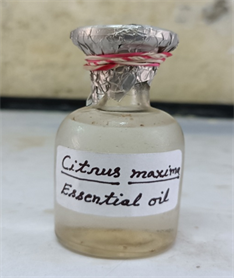
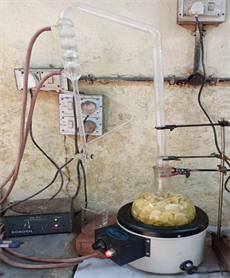
Citrus maxima (Brum.) Chakotra/Pomelo fruit or grapefruit belongs to the family Rutaceae was collected from Deen Dayal Upadhyaya Gorakhpur University garden. It is a natural, non-hybrid, citrus fruit, and native to Southeast Asia. This specimen was authenticated by an expert of botany and help was taken from Taxonomy of Indian Angiosperms. The herbarium specimen is healthy and preserved in Botanical garden of Gorakhpur University for future references. This plant is extensively used for nutritional and therapeutic purposes by local people not only in India but also in Southeast Asia. Peel of fresh fruits was used for the preparation of combinatorial mixture w/v. Fresh peel was weighed and extract was prepared in distilled water in a power mixture and grinder. The extract obtained was dried in rotatory evaporator and kept in refrigerator for further use. All chemicals used in this study were purchased from CDH-laboratory chemicals suppliers India supplied by Eastern Scientific Company, Gorakhpur. Clevenger apparatus was used for extraction of Citrus maxima peel essential oils and its bioactive compounds (Photoplate 1(a) & Photoplate 1(b)).
Citrus maxima peels and other ingredients were used in the preparation of combinatorial mixtures. All details related to preparation of combinatorial mixtures has been presented in following Table 1, Table 2.
2.2. Determination of Bio-Molecular Parameters
Termite workers were treated with 40% and 80% of LD50 of Citrus maxima
(a) (b)
Photoplate 1. (a) & (b) showing clevenger apparatus and extracted Citrus maxima peel essential oils.
Citrus maxima and other ingredients used in preparation of combinatorial mixtures
Citrus maxima peels (9 gm) + Photoactivated Cow urine (10 g/L) + Water (5 liter)
11.
CU-RET-B
Citrus maxima peels (12 gm) + Photoactivated Cow urine (10 g/L) + Water (5 liter)
12.
CU-RET-C
Citrus maxima peels (18 gm) + Photoactivated Cow urine (10 g/L) + Water (5 liter)
13.
H-RET
Citrus maxima peels (40 gm) + Hexane (200 ml)
14.
AQ-RET
Citrus maxima peels (40 gm) + Water (200 ml)
15.
A-RET
Citrus maxima peels (40 gm) + Acetone (200 ml)
16.
P-RET
Citrus maxima peels (40 gm) + Petroleum Ether (200 ml)
17.
Malathion*
Malathion powder (7.5 gm/liter) + Water (5 liter)
18.
Fipronil*
Fipronil powder (7.5 gm/liter) + Water (5 liter)
19.
Thiamethoxam*
Thiamethoxam powder (7.5 gm/liter) + Water (5 liter)
*Synthetic pesticides.
Showing LD50 values after treatment of termites with various combinatorial fractions and pesticides
S.No.
Name of Extract/ Combinatorial Mixture
LD50 µg/gm
LD40 µg/gm
LD20 µg/gm
0.95 confidence limit UCL-LCL
Chi-Square
Slope function
Degree of freedom
Heterogeneity
1.
S-RET-A
335.677
134.27
67.13
408.779 - 282.543
3.976
−0.128442
4
0.994
2.
S-RET-B
526.867
210.74
105.37
741.457 - 402.078
6.2156
−0.162239
4
1.5539
3.
S-RET-C
702.489
280.99
140.49
988.609 - 536.104
6.2156
−0.169926
4
1.5539
4.
B-RET-A
348.091
139.23
69.61
518.657 - 257.072
6.9060
−0.139692
4
1.7265
5.
B-RET-B
446.547
178.61
89.30
528.985 - 380.638
2.898
−0.140655
4
0.725
6.
B-RET-C
564.058
225.62
112.81
681.271 - 471.640
2.940
−0.132454
4
0.735
7.
C-RET-A
361.552
144.62
72.31
428.327 - 311.588
1.320
−0.165391
4
0.330
8.
C-RET-B
584.9
233.98
116.99
1060.174 - 406.699
8.4758
−0.145411
4
2.1190
9.
C-RET-C
594.2
237.68
188.84
802.549 - 453.330
5.4707
−0.148692
4
1.3677
10.
CU-RET-A
404.8
161.92
80.96
494.686 - 343.794
3.047
−0.162205
4
0.762
11.
CU-RET-B
498.22
199.28
99.64
741.966 - 365.374
6.2522
−0.136723
4
1.5630
12.
CU-RET-C
603.6
241.47
120.73
723.312 - 510.536
3.367
−0.141853
4
0.842
13.
AQ-RET
27.82
11.13
5.56
49.763 - 19.092
10.837
−0.696979
4
2.7093
14.
A-RET
22.60
09.04
4.52
50.140 - 14.676
11.332
−0.651231
4
2.8329
15.
H-RET
12.73
05.09
02.54
39.622 - 7.583
12.345
−0.454328
4
3.0862
16.
P-RET
17.42
06.96
03.48
27.784 - 12.453
6.9421
−0.582885
4
1.7355
17.
Malathion*
67.02
26.81
13.40
95.511 - 52.909
2.083
−0.875498
4
0.521
18.
Fipronil*
27.89
11.15
5.57
58.871 - 18.100
11.839
−0.715511
4
2.9597
19.
Thiamethoxam *
50.25
20.10
10.05
63.329 - 41.833
2.844
−0.872107
4
0.711
*Synthetic pesticides.
aqueous extract and its various combinatorial mixtures separately. Whole body extracts was prepared by homogenization of termites in PBS buffer and centrifuged. Changes in the levels of different biomolecules were measured after different time intervals mainly at 4, 8, 12 and 16 hours. Several important biomolecules such as glycogen, total free amino acids, total lipids, nucleic acids (DNA and RNA) and total protein were determined in whole body extract of termites.
2.3. Determination of Glycogen
Glycogen content was determined by the Dubois’s method [28] . For this purpose, 500 mg of termites were homogenized in 2 ml of 5% TCA using a glass homogenizer and centrifuged. After centrifugation, the supernatant was transferred to a 100 ml graduated cylinder and 3 volumes of 95% ethyl alcohol were added. The mixture was stirred until the precipitate started to flocculate, then a small amount of NaCl was added to enhance flocculation. The graduated cylinder was then heated by placing it in hot boiling water until a precipitate formed. After centrifuging the contents again, the precipitate was dissolved in 5 ml of distilled water. To 0.5 ml of the unknown deproteinized glycogen supernatant was then added 6 ml of concentrated H2SO4 and the contents were kept in boiling water for 5 minutes, then the mixture was cooled to room temperature. The optical density of the content was observed at 530 nm. Glycogen levels in unknowns (supernatants) were calculated using a standard curve plotted with known amounts of glucose. A blank was prepared using 0.50 ml of 5% TCA and 6 ml of concentrated H2SO4. The amount of glycogen is expressed in gm/100gm of termite body weight. Three replicates were set up to maintain accuracy and precision. The data obtained were statistically analyzed using the ANOVA method.
2.4. Determination of Total Free Amino Acid
Free amino acid content was determined by using Spies’s method [29] . For this purpose, 500 mg of treated termites were homogenized in 2 ml of 95% ethyl alcohol. The homogenate was centrifuged at 15,000× g for 20 minutes and the supernatant separated. For estimation, 0.1 ml of supernatant was taken and mixed with 0.1 ml of distilled water and 2.0 ml of ninhydrin reagent. Ninhydrin reagent was prepared by mixing 1.0 g of ninhydrin in 25 ml of absolute ethanol and 0.04 g of stannous chloride in 25 ml of citrate buffer (pH 5.0). The citrate buffer was prepared by mixing 20 ml of reagent A (1.05 g citric acid in 50 ml distilled water) and 29.5 ml reagent B (2.94 g sodium citrate in 100 ml distilled water). The reaction mixture was kept in boiling water for 15 minutes. Now 2 ml of 5.0% ethyl alcohol was added to the above boiled mixture. A purple color developed in the reaction mixture measured at 575 nm. For calculations, a standard curve was constructed using known amounts of glycine and expressed in gm/100gm termite body weight. Three replicates are used and the data are analyzed statistically by the ANOVA method.
2.5. Determination of Total Lipid
Total lipid content in termite whole body extracts was determined by the Folch’s method [30] . For this purpose, 500 mg of termite workers were homogenized in 5 ml of a mixture of chloroform and methanol (2:1 v/v). The homogenized material was suspended and held at room temperature for 30 minutes. After that, it was filtered through Whatmann paper no. 1. The residue was resuspended in the same volume of mixture for 1 hour and the supernatant filtered again. Both filtrates were mixed with an equal volume of 0.6% NaCl (w/v). The separatory funnel containing the above mixture was kept in the dark at room temperature for 12 hours. The upper solvent layer (chloroform:methanol) was collected and the unsaponified portion was kept unused. The contents of the lower layer were allowed to evaporate by placing in an oven at 60˚C. Finally, total lipid levels were weighed and expressed as gm/100gm of termite body weight. Three replicates were set and data were statistically analyzed by his ANOVA method.
2.6. Determination of Nucleic Acids
The content of nucleic acids in termite whole body extracts was determined by the Schneider’s method [31] . For this purpose, 500 mg of termite workers he separately fed with 40% and 80% LD50 of aqueous extracts and their combinatorial mixtures. Termites were sacrificed and homogenized in 5% TCA with glass homogenizer and centrifuged at 15,000× g for 25 minutes.
2.7. DNA Estimation
For DNA determination, 0.2 ml of supernatant was taken and diluted by adding 3.8 ml of distilled water. Then 4.0 ml of diphenylamine reagent (1 g diphenylamine, 100 g glacial acetic acid, 2.5 ml concentrated H2SO4) was added. The contents were kept in the boiling water bath for 10 minutes. Blue color developed in solution measured at 600 nm.
2.8. RNA Estimation
For RNA measurement, 0.2 ml of supernatant was taken and diluted by adding 4.8 ml of distilled water. Then 2 ml of orcinol reagent (1 g orcinol, 100 ml concentrated HCl and 0.5 g ferric acid) was added. A green color developed when the solution was kept in a boiling water bath for 10 minutes, measured at 600 nm. In both cases, three replicates were set up and the resulting data were statically analyzed by her ANOVA method.
2.9. Determination of Total Protein
Termite total protein was estimated by using the Lowry’s method [32] . For this purpose, 500 mg of termite workers were treated separately with mixtures of aqueous extracts of Citrus maxima and their various combinatorial mixtures. These treated termites were homogenized in 4.0 ml of 10% TCA using a glass homogenizer. The resulting homogenate was centrifuged at 15,000× g for 15 minutes. The supernatant was discarded, the precipitate was dissolved in 5% TCA, centrifuged again at the same speed for 10 minutes, and the supernatant was discarded. The precipitate was then dissolved in 1 ml of 1N NaOH and centrifuged again at the same speed. The supernatant was used for protein determination. For this purpose, 0.5 ml of alkaline copper solution (reagent C) was added to 0.5 ml of supernatant. Reagent C was prepared by addition of 50.0 ml reagent A (2% sodium carbonate in 0.1N NaOH) and 1 ml of reagent B (1.0% sodium potassium tartarate, 0.5% copper sulphate mixed in 1:1 ratio at the time of experiment). The reaction mixture was kept for 10 minutes at room temperature and then 0.5 ml Folin and Ciocalteu’s phenol reagent (diluted 1:2 ratio with distilled water at the time of experiment) was added. Then 1.5 ml of 0.2N NaOH and 3.5 ml of distilled water were added and mixed thoroughly. After 10 minutes, the reaction developed a blue color measured at 620 nm. Three replicates were set up for each experiment. A standard curve was generated using various concentrations of bovine serum albumin. The data obtained were statistically analyzed by using the ANOVA method.
2.10. Statistical Analysis
The LD50 in termite workers were determined for each extract and combinatorial mixture by using Probit analysis. Mean, standard deviation, standard error, correlation and Student t-test were applied by the ANOVA program. A chi-square test was used to assess repellency [33] .
3. Results
For determination of effect of Citrus maxima essential oils based combinatorial mixtures, biochemical estimation of various bio-molecules glycogen, amino acid, lipid, DNA, RNA and protein were done in treated and control termites. For estimation of various bio-molecules level, adult worker termites were provided 40% and 80% LD50 of Citrus maxima essential oils based combinatorial mixtures with the diet. After 4 h of treatment each bio-molecule level was determined up to 16 h. Whole body extract of both treated and untreated control termite was prepared. For this estimation termites were sacrificed, homogenized and centrifuged and level of various bio-molecules was measured. Maximum decrease in glycogen level was observed at 16 h when termites were treated with 80% of LD50 of S-RET-C combinatorial mixture i.e. 50.25% at 16 h of treatment. Similarly 40% and 80% of LD50 of S-RET-C combinatorial mixture caused significant (p > 0.05) decrease in DNA level at 16 h of treatment i.e. 58.78% and 97.07% in comparison to control. Besides this, both RNA and protein levels were found to be decreased when termites were treated with 40% and 80% of LD50 of S-RET-C combinatorial mixture i.e. 55.42% and 61.24% & 56.48% and 57.28% at 16 h treatment in comparison to control respectively (Figures 1-3). A significant alteration in bio-molecules was observed by using corresponding control. 80% of B-RET-C combinatorial mixture caused significant (p > 0.05) 50.65% decrease in glycogen level in treated termites in comparison to control at 16 h of treatment (Figures 4-6). Amino acid level was slightly decreased in C-RET-A, C-RET-B and C-RET-C i.e. 92.25%, 98.16% and 75.63% respectively (Figures 7-9).
Treatment of 40% and 80% of LD50 of CU-RET-B mixture caused a significant decrease in glycogen levels up to 52.47% and 54.38% at 16 h treatment in comparison to control respectively. In another experiment when termites were treated with 80% of LD50 of CU-RET-B mixture show slightly decrease in amino acid level at 16 h of treatment i.e. 97.46%. In the same experiment 40% of LD50 of CU-RET-B mixture caused significant (p > 0.05) decrease in DNA and RNA level at 16 h treatment. The level of DNA and RNA level was recorded 97.43%, 92.44% while in 80% of LD50 of CU-RET-B mixture caused slightly increased in DNA level i.e. 100.7% and slightly decreased in RNA level i.e. 91.70%. Similarly total proteins were also found to be decreased with 40% and 80% of LD50 of CU-RET-B mixture i.e. 80.55% and 70.80% respectively (Figures 10-12).
In another Citrus maxima essential oils based combinatorial mixture when termites were also treated with 40% and 80% of LD50 of AQ-RET,A-RET, H-RET and P-RET mixture, 40% and 80% of LD50 of AQ-RET has shown continuous decrease in glycogen level i.e. 56.87% and 58.62% at 16 h of treatment in comparison to control respectively. While at the same dose amino acid level was found to be slightly decreased at 16 h treatment i.e. 95.77% and 89.43%. Similarly the lipid level was also found to be decreased at 40% and 80% of LD50 of AQ-RET mixture up to both at 16 h i.e. 81.88% and 81.80% respectively in comparison to control. At a similar dose DNA level was also found to be decreased at 16 h treatment i.e. 96.70% and 96.58% respectively. Similarly RNA level was also found to be decreased up to 90.74% and 53.08% at 40% and 80% of LD50 of AQ-RET mixture respectively. Maximum inhibition was observed in protein level i.e. 67.20% and 62.88% at 40% and 80% of LD50 of 16 h of treatment respectively (Figures 13-16). 40% and 80% of LD50 of fipronil, malathion and thiamethoxam were also altered the level of above tested biomolecules but their effect was generally not more than other Citrus maxima essential oils based combinatorial mixtures (Figures 17-19). All treatments done by using 40% and 80% of LD50 of various mixtures and its impact on various bio molecules have been displayed in Figures 1-19.
4. Discussions
In last 5 decades, various synthetic pesticides such as chlordane, cypermethrin, hydroquinone, and indoxacarb were widely used for termite control around the globe [34] . Though all these termiticides caused high lethality in termites, they also proved highly toxic to non-target organisms and disturbed environmental sustainability. These persist for longer duration in the medium in form of bound resides. Due to above constraint, these have been banned and its new alternatives are discovered in the form of natural pesticides. Plant-derived compounds are much safer as well as have high insecticidal potential. So, these are replaced to synthetic pesticides. These are eco-friendly, sustainable and low cost for termites control and its management. Capparis decidua and its combinatorial mixtures are more effective to control termite Odontotermes obesus [35] and stored grain pests [36] . Plant origin bio-organic active ingredients displayed significant alteration in levels of bio-molecules in tested pests.
Rutaceae, plant family is famous for obtaining folk medicine. Different parts of the plants from Citrus group are used in folk medicine to treat a wide range of different diseases [37] . Few natural products from different plants species were found effective against termites e.g. flavonoids [38] , sesquiterpenes [39] , and thiophenes [40] etc. Plants synthesize large number of active biomolecules which showed significant insecticidal activities [41] , out of which few active components act at cellular and physiological level [42] . C. sinensis essential oil and its constituents showed potential as botanical pesticides against C. maculatus and S. zeamais [43] .
Botanical pesticides showed less negative impacts on the environment and human health. Lemongrass and citral are more effective against R. flaviceps [44] . Essential oils are also eco-friendly alternatives in mosquitoes control programme [45] . Various investigations showed that essential oils have great potential as bio-insecticides against S. zeamais [46] . Essential oils are highly volatile in nature, so it could be used as fumigants to control termite population mainly reside inside tunnels, crevices and holes [47] [48] .
In present investigation, effect of Citrus maxima essential oil fixed in extract and its combinatorial mixtures were determined on various bio-molecules in termite workers. For this purpose, termites were topically treated with 40% and 80% of LD50 of Citrus maxima aqueous extract, its combinatorial mixtures and compared with synthetic termiticides. Effects were observed on glycogen, amino acid, DNA, RNA, protein and lipid levels at regular time intervals (Table 1, Table 2; Figures 1-19). A significant (p > 0.05) decrease was observed in all the above bio-molecules when termites were treated with S-RET-A combinatorial mixture (Figure 1). A similar decrease was obtained in glycogen, amino acid, DNA, RNA and protein levels when termites were treated with 40% and 80% of LD50 of S-RET-B (Figure 2), S-RET-C (Figure 3) and B-RET-A mixture, while lipid contents were found to be more decreased in B-RET-A in comparison to S-RET-A (Figure 4). Significant alterations in tested biomolecules are observed in combinatorial mixtures i.e. B-RET-B, B-RET-C, C-RET-A and C-RET-B (Figures 5-8). Similarly 40% and 80% of LD50 of C-RET-C mixture also caused significant (p < 0.05) decline in glycogen, amino acid, DNA, RNA and protein contents after 16 h of treatment. Lipid content was found to be decreased up to 80.45% and 80.62% at 16 h treatment respectively (Figure 9).
Citrus peels possess high amount of essential oils and show toxicity against various insects. It is an eco-friendly option for insect control [49] . Plant essential oil based combinatorial formulations have shown very high lethality in Odontotermes obesus. Due to very low LD50 value of essential oils, its based formulations showed strong anti-termite efficacy as natural pesticides [50] . C. maxima essential oil based combinatorial mixtures showed strong protection from termites to crop fields [51] [52] . Termites are also controlled by luring their colonies via chemical communication by using pheromones [53] . Termites reach to food source by using pheromones. This process can be used for termite control. Trail pheromones play important roles in foraging behavior, building tunnels and nests in termites. They can be deterred from food and communication [54] .
In another experiment, termites were treated with 40% and 80% of LD50 of Citrus maxima peels mixed with photo-activated cow urine i.e. CU-RET-A, CU-RET-B and CU-RET-C have also shown significant (p > 0.05) decrease in levels of different macromolecules (Figures 10-12). The glycogen content in 80% of combinatorial mixtures AQ-RET, A-RET, H-RET and P-RET was found to be decreased up to nearly 50% i.e. 58.62%, 58.12%, 61.21% and 52.84% respectively (Figures 13-16). On other side, effects of synthetic termiticides like fipronil, malathion and thiamethoxam were also showed very strong activities on the above tested biomolecules, but their effect was relatively not more than above natural combinatorial mixtures. Protein content in 80% of fipronil, malathion and thiamethoxam was 55.72%, 59.57% and 63.14% respectively (Figures 17-19).
It was mostly found that on average, Citrus maxima and its combinatorial mixtures have shown better toxicity than synthetic pesticides (Figures 1-19). It is well known fact that stored lipids are most important and convenient reservoirs of metabolic energy, which fulfill prolonged energy demand in insects in stress. Physiologically, lipids play an important role in insect development, reproduction and flight. Lipids are used in membrane synthesis taken up by insects in diet.
Once lipid metabolism is inhibited, most of the normal physiological activities of termites get obstructed that result in to an indirect control of termites. In insects, carbohydrate metabolism also plays an important role in flight mechanism and reproduction. Usually in insects, fatty acids are accumulated in fat body as triglycerides, which serve as energy reserves. Hence, lipid reserves are built up during active feeding. On the other hand, mobilization of more lipids may induce hydrolysis of triglycerides, diglycerides by an enzyme lipase. If lipid reserve increases, it means hydrolytic enzymes are not working and over deposition of lipid may cause oxidative stress in insects. But it is also true that rate of catabolism in insects is very high in comparison to higher animals. Similarly increased protein level is also related to an increase in RNA concentration while at the same time DNA amount may be lesser. Subsequently, the ratio of RNA and DNA has wide concern with protein metabolism. At time of active protein synthesis DNA ratio falls but later on increases. Decrease in the level of protein level indicates formation of amino acids from denaturation of proteins.
Reduction in protein synthesis may lead to decrease in protein concentration and RNA; at the same time, DNA level may increase. More specifically, all macromolecules serve as initial substrate for oxidation and energy production. Insect body tries to fight against toxicity by increasing the level of free amino acids and decrease in protein level in all tested termite tissues. Decrease in glycogen level shows sluggishness of insects while activity performance depends on aerial muscles in insects. High oxidation is displayed as day time high insect ranges and work performance and meal providers. Essential oils are volatile at normal temperature, so it could be easily used as fumigants to control insects [55] . Citrus maxima essential oil fixed in extract and its combinatorial mixtures have shown significant alterations in bio-molecules level. This led to the formation of abnormal state in the insects and make insects unable to survive.
Acknowledgements
The author is thankful to HOD Zoology for facilities.
Conflicts of Interest
The authors declare no conflicts of interest regarding the publication of this paper.
Cite this paper
Pandey, L. and Upadhyay, R.K. (2023) Biochemical Alterations and Termiticidal Activity of Combinatorial Essential Oil Ingredients of Citrus maxima on Indian White Termite Odontotermes obesus. Journal of Biosciences and Medicines, 11, 60-81. https://doi.org/10.4236/jbm.2023.114006
ReferencesAiki, I.P., Pirk, C.W. and Yusuf, A.A. (2019) Thermal Regulatory Mechanisms of Termites from Two Different Savannah Ecosystems. Journal of Thermal Biology, 85, Article 102418. https://doi.org/10.1016/j.jtherbio.2019.102418Chiu, C.I., Chuang, Y.H., Liang, W.R., Yeh, H.T., Yang, H.Y., Tsai, M.J., Spomer, N.A. and Li, H.F. (2022) Area-Population Control of Fungus-Growing Termite, Odontotermes formosanus, Using Hexaflumuron Durable Baits. Pest Management Science, 78, 104-115. https://doi.org/10.1002/ps.6612Oi, F. (2022) A Review of the Evolution of Termite Control: A Continuum of Alternatives to Termiticides in the United States with Emphasis on Efficacy Testing Requirements for Product Registration. Insects, 13, Article 50. https://doi.org/10.3390/insects13010050Chouvenc, T. (2021) Subterranean Termite (Coptotermes gestroi (Blattodea: Rhinotermitidae)) Colony Elimination through Exposure to a Novaluron CSI Bait Formulation in Laboratory. Journal of Economic Entomology, 114, 1249-1255. https://doi.org/10.1093/jee/toab061Santos, A.A., de Oliveira, B.M.S., Melo, C.R., Lima, A.P.S., Santana, E.D.R., Blank, A.F., Picanco, M.C., Araújo, A.P.A., Cristaldo, P.F. and Bacci, L. (2017) Sub-Lethal Effects of Essential Oil of Lippia sidoides on Drywood Termite Cryptotermes brevis (Blattodea: Termitoidea). Ecotoxicology and Environmental Safety, 145, 436-441. https://doi.org/10.1016/j.ecoenv.2017.07.057Abdullah, F., Subramanian, P., Ibrahim, H., Malek, S.N., Lee, G.S. and Hong, S.L. (2015) Chemical Composition, Anti-Feedant, Repellent, and Toxicity Activities of the Rhizomes of Galangal, Alpinia galanga against Asian Subterranean Termites, Coptotermes gestroi and Coptotermes curvignathus (Isoptera: Rhinotermitidae). Journal of Insect Science, 15, Article 175. https://doi.org/10.1093/jisesa/ieu175Sharma, K.K., Kalpana, Sharma, V., Gupta, P., Jaya, M., Kumar, A., et al. (2008) Persistence and Vertical Distribution of Termiticide Fipronil in Modified Ground Board Test. Environmental Monitoring and Assessment, 137, 179-184. https://doi.org/10.1007/s10661-007-9738-7Ying, G.G. and Kookana, R.S. (2006) Persistence and Movement of Fipronil Termiticide with Under-Slab and Trenching Treatments. Environmental Toxicology and Chemistry, 25, 2045-2050. https://doi.org/10.1897/05-652R.1Meepagala, K.M., Osbrink, W., Burandt, C., Lax, A. and Duke, S.O. (2011) Natural-Product-Based Chromenes as a Novel Class of Potential Termiticides. Pest Management Science, 67, 1446-1450. https://doi.org/10.1002/ps.2196Roszaini, K., Mailina, J., Shaharuddin, H., Zaihan, J. and Nor-Azah, M.A. (2022) Biotoxicity of Tropical Plant Essential Oils against Subterranean Termites Coptotermes curvignathus. Journal of Tropical Forest Science, 34, 210-220. https://doi.org/10.26525/jtfs2022.34.2.210Mwamburi, L.A. (2022) Role of Plant Essential Oils in Pest Management. In: Mandal, S.D., Ramkumar, G., Karthi, S. and Jin, F., Eds., New and Future Development in Biopesticide Research: Biotechnological Exploration, Springer, Singapore, 157-185. https://doi.org/10.1007/978-981-16-3989-0_6Oladipupo, S.O., Hu, X.P. and Appel, A.G. (2022) Essential Oils in Urban Insect Management—A Review. Journal of Economic Entomology, 115, 1375-1408. https://doi.org/10.1093/jee/toac083Isman, M.B. (2000) Plant Essential Oils for Pest and Disease Management. Crop Protection, 19, 603-608. https://doi.org/10.1016/S0261-2194(00)00079-XPandey, L. and Upadhyay, R.K. (2022) Anti-Termite and Therapeutic Uses of Various Plant Essential Oils from Family Rutaceae: A Review. International Journal of Green Pharmacy, 16, 49-58.Kavallieratos, N.G., Boukouvala, M.C., Ntalli, N., Skourti, A., Karagianni, E.S., Nika, E.P., Kontodimas, D.C., Cappellacci, L., Petrelli, R., Cianfaglione, K., Morshedloo, M.R., Tapondjou, L.A., Rakotosaona, R., Maggi, F. and Benelli, G. (2020) Effectiveness of Eight Essential Oils against Two Key Stored-Product Beetles, Prostephanus Truncatus (Horn) and Trogoderma Granarium Everts. Food and Chemical Toxicology, 139, Article 111255. https://doi.org/10.1016/j.fct.2020.111255Xie, Y., Huang, Q. and Lei, C.(2013) Bioassay-Guided Isolation and Identification of Antitermitic Active Compound from the Leaf of Chinese Cedar (Cryptomeria fortunei Hooibrenk). Natural Product Research, 27, 2137-2139. https://doi.org/10.1080/14786419.2013.778850Cheng, S.S., Lin, C.Y., Chung, M.J. and Chang, S.T. (2012) Chemical Composition and Antitermitic Activity against Coptotermes formosanus Shiraki of Cryptomeria japonica Leaf Essential Oil. Chemistry & Biodiversity, 9, 352-358. https://doi.org/10.1002/cbdv.201100243Gaire, S., Scharf, M.E. and Gondhalekar, A.D. (2019) Toxicity and Neurophysiological Impacts of Plant Essential Oil Components on Bed Bugs (Cimicidae: Hemiptera). Scientific Reports, 9, Article No. 3961. https://doi.org/10.1038/s41598-019-40275-5Varkey, T.K., Mathew, J. and Baby, S. (2014) Chemical Variability of Citrus maxima Essential Oils from South India. Asian Journal of Chemistry, 26, 2207-2210. https://doi.org/10.14233/ajchem.2014.15655Tsai, M.L., Lin, C., Khoo, K.A., Wang, M., Kuan, T., Lin, W., Zhang, Y. and Wang, Y. (2017) Composition and Bioactivity of Essential Oil from Citrus grandis (L.) Osbeck ‘Mato Peiyu’ Leaf. Molecules, 22, Article 2154. https://doi.org/10.3390/molecules22122154Adokoh, C.K., Asante, D., Acheampong, D.O., Kotsuchibashi, Y., Armah, F.A., Sirikyi, I.H., Kimura, K., Gmakame, E. and Abdul-Rauf, S. (2019) Chemical Profile and in Vivo Toxicity Evaluation of Unripe Citrus aurantifolia Essential Oil. Toxicology Reports, 6, 692-702. https://doi.org/10.1016/j.toxrep.2019.06.020Teneva, D., Denkova-Kostova, R., Goranov, B., Hristova-Ivanova, Y., Slavchev, A., Denkova, Z. and Kostov, G. (2019) Chemical Composition, Antioxidant Activity and Antimicrobial Activity of Essential Oil from Citrus aurantium L Zest against Some Pathogenic Microorganisms. Zeitschrift für Naturforschung C, 74, 105-111. https://doi.org/10.1515/znc-2018-0062Gualdani, R., Cavalluzzi, M.M., Lentini, G. and Habtemariam, S. (2016) The Chemistry and Pharmacology of Citrus Limonoids. Molecules, 21, Article 1530. https://doi.org/10.3390/molecules21111530Favela-Hernández, J.M.J., González-Santiago, O., Ramírez-Cabrera, M.A., Esquivel-Ferrino, P.C. and Camacho-Corona, M.R. (2016) Chemistry and Pharmacology of Citrus sinensis. Molecules, 21, Article 247. https://doi.org/10.3390/molecules21020247ElSohly, M.A., Radwan, M.M., Gul, W., Chandra, S. and Galal, A. (2017) Phytochemistry of Cannabis sativa. L. In: Kinghorn, A., Falk, H., Gibbons, S. and Kobayashi, J., Eds., Phytocannabinoids. Progress in the Chemistry of Organic Natural Products, Springer, New York, 1-36.https://doi.org/10.1007/978-3-319-45541-9_1Dosoky, N.S. and Setzer, W.N. (2018) Biological Activities and Safety of Citrus Spp. Essential Oils. International Journal of Molecular Sciences, 19, Article 1966. https://doi.org/10.3390/ijms19071966Sbeghen-Loss, A.C., Mato, M., Cesio, M.V., Frizzo, C., Barros, N.M. and Heinzen, H. (2011) Antifeedant Activity of Citrus Waste Wax and Its Fractions against the Dry Wood Termite, Cryptotermes brevis. Journal of Insect Science, 11, Article 159. https://doi.org/10.1673/031.011.15901DuBois, M., Gilles, K.A., Hamilton, J.K., Rebers, P.A. and Smith, F. (1956) Colorimetric Method for Determination of Sugars and Related Substances. Analytical Chemistry, 28, 350-356. https://doi.org/10.1021/ac60111a017Spies, J.R. (1957) Colorimetric Procedures for Amino Acids. Methods in Enzymology, 3, 467-477. https://doi.org/10.1016/S0076-6879(57)03417-5Folch, J., Lees, M. and Sloane Stanley, G.H. (1957) A Simple Method for the Isolation and Purification of Total Lipids from Animal Tissues. The Journal of Biological Chemistry, 226, 497-509. https://doi.org/10.1016/S0021-9258(18)64849-5Schneider, W.C. (1957) Determination of Nucleic Acids in Tissues by Pentose Analysis. Methods in Enzymology, 3, 680-684. https://doi.org/10.1016/S0076-6879(57)03442-4Lowry, O.H., Rosebrough, N.J., Farr, A.L. and Randall, R.J. (1951) Protein Measurement with the Folin Phenol Reagent. The Journal of Biological Chemistry, 193, 265-275. https://doi.org/10.1016/S0021-9258(19)52451-6Sokal, R.R. and Rohlf, F.J. (1973) Introduction to Biostatistics. W.H. Freeman and Company, San Francisco.Karchesy, J.J., Kelsey, R.G. and Gonzalez-Hernandez, M.P. (2018) Yellow-Cedar, Callitropsis (Chamaecyparis) nootkatensis, Secondary Metabolites, Biological Activities and Chemical Ecology. Journal of Chemical Ecology, 44, 510-524. https://doi.org/10.1007/s10886-018-0956-yUpadhyay, R.K., Jaiswal, G. and Ahmad, S. (2010) Termiticidal Effects of Capparis decidua on Biochemical and Enzymatic Parameters of Odontotermes obesus (Isoptera: Termitidae). Acta Universitatis Sapientiae, Agriculture and Environment, 2, 80-110.Upadhyay, R.K. and Ahmad, S. (2011) Management Strategies for Control of Stored Grain Insect Pests in Farmer Stores and Public Ware Houses. World Journal of Agricultural Sciences, 7, 527-549.Coimbra, A.T., Ferreira, S. and Duarte, A.P. (2020) Genus Ruta: A Natural Source of High Value Products with Biological and Pharmacological Properties. Journal of Ethnopharmacology, 260, Article 113076. https://doi.org/10.1016/j.jep.2020.113076Park, I.K. (2014) Fumigant Toxicity of Oriental Sweetgum (Liquidambar orientalis) and Valerian (Valeriana wallichii) Essential Oils and Their Components, Including Their Acetylcholinesterase Inhibitory Activity, against Japanese Termites (Reticulitermes speratus). Molecules, 19, 12547-12558. https://doi.org/10.3390/molecules190812547Seo, S.M., Kim, J., Lee, S.G., Shin, C.H., Shin, S.C. and Park, I.K. (2009) Fumigant Antitermitic Activity of Plant Essential Oils and Components from Ajowan (Trachyspermum ammi), Allspice (Pimenta dioica), Caraway (Carum carvi), Dill (Anethum graveolens), Geranium (Pelargonium graveolens), and Litsea (Litseacubeba) oils against Japanese Termite (Reticulitermes speratus Kolbe). Journal of Agricultural and Food Chemistry, 57, 6596-6602. https://doi.org/10.1021/jf9015416Hagel, J.M., Yeung, E.C. and Facchini, P.J. (2008) Got Milk? The Secret Life of Laticifers. Trends in Plant Science, 13, 631-639. https://doi.org/10.1016/j.tplants.2008.09.005Upadhyay, R.K. and Jaiswal, G. (2009) Termite Management: Control Methods and Strategies. Journal of Applied Biosciences, 35,110-126.Arnao, M.B. and Hernandez-Ruiz, J. (2018) The Potential of Phytomelatonin as a Nutraceutical. Molecules, 23, Article 238. https://doi.org/10.3390/molecules23010238Oyedeji, A.O., Okunowo, W.O., Osuntoki, A.A., Olabode, T.B. and Ayo-Folorunso, F. (2020) Insecticidal and Biochemical Activity of Essential Oil from Citrus sinensis peel and Constituents on Callosobrunchus maculatus and Sitophilus zeamais. Pesticide Biochemistry and Physiology, 168, Article 104643. https://doi.org/10.1016/j.pestbp.2020.104643Jin, C., Han, H., Xie, Y., Li, B., Zhang, Z. and Zhang, D. (2022) Toxicity, Behavioral Effects, and Chitin Structural Chemistry of Reticulitermes flaviceps Exposed to Cymbopogon citratus EO and Its Major Constituent Citral. Insects, 13, Article 812. https://doi.org/10.3390/insects13090812Badawy, M.E.I., Taktak, N.E.M. and El-Aswad, A.F. (2018) Chemical Composition of the Essential Oils Isolated from Peel of Three Citrus Species and Their Mosquitocidal Activity against Culex pipiens. Natural Product Research, 32, 2829-2834. https://doi.org/10.1080/14786419.2017.1378216Achimon, F., Peschiutta, M.L., Brito, V.D., Beato, M., Pizzolitto, R.P., Zygadlo, J.A. and Zunino, M.P. (2022) Exploring Contact Toxicity of Essential Oils against Sitophilus zeamais through a Meta-Analysis Approach. Plants, 11, Article 3070. https://doi.org/10.3390/plants11223070Pandey, L. and Upadhyay, R.K. (2021) Anti-Termite Efficacy of Various Plant Essential Oils with Special Reference to Family Rutaceae. World Journal of Pharmaceutical Research, 10, 1003-1049.Tripathi, A.K. and Upadhyay, R.K. (2022) Anti-Termite and Antimicrobial Efficacy of Latexes from Certain Plant Families. International Journal of Green Pharmacy, 16, 83-93.Visakh, N.U., Pathrose, B., Narayanankutty, A., Alfarhan, A. and Ramesh, V. (2022) Utilization of Pomelo (Citrus maxima) Peel Waste into Bioactive Essential Oils: Chemical Composition and Insecticidal Properties. Insects, 13, Article 480. https://doi.org/10.3390/insects13050480Pandey, L. and Upadhyay, R.K. (2022) Toxicity and Repellency of Citrus maxima Essential Oil Based Combinatorial Formulations against Odontotermes obesus. World Journal of Pharmaceutical Research, 11, 1909-1923.Pandey, L. and Upadhyay, R.K. (2022) Effect of Combinatorial Essential Oil Ingredients of Citrus maxima on Percent Wood Weight Loss and Infestation Caused by Indian White Termite Odontotermes obesus. International Journal of Green Pharmacy, 16, 361-375.Tripathi, A.K. and Upadhyay, R.K. (2022) Ficus benghalensis Latex-Based Combinatorial Formulations and Its Use for Control of Wood Weight Loss and Infestation Caused by Indian Forest Termite Odontotermes obesus. International Journal of Green Pharmacy, 16, 376-389.Gao, Y., Huang, Q. and Xu, H. (2020) Silencing Orco Impaired the Ability to Perceive Trail Pheromones and Affected Locomotion Behavior in Two Termite Species. Journal of Economic Entomology, 113, 2941-2949. https://doi.org/10.1093/jee/toaa248Oberst, S., Lai, J.C.S. and Evans, T.A. (2018) Key Physical Wood Properties in Termite Foraging Decisions. Journal of the Royal Society Interface, 15, Article 20180505. https://doi.org/10.1098/rsif.2018.0505Geraci, A., Di Stefano, V., Di Martino, E., Schillaci, D. and Schicchi, R.(2017) Essential Oil Components of Orange Peels and Antimicrobial Activity. Natural Product Research, 31, 653-659. https://doi.org/10.1080/14786419.2016.1219860