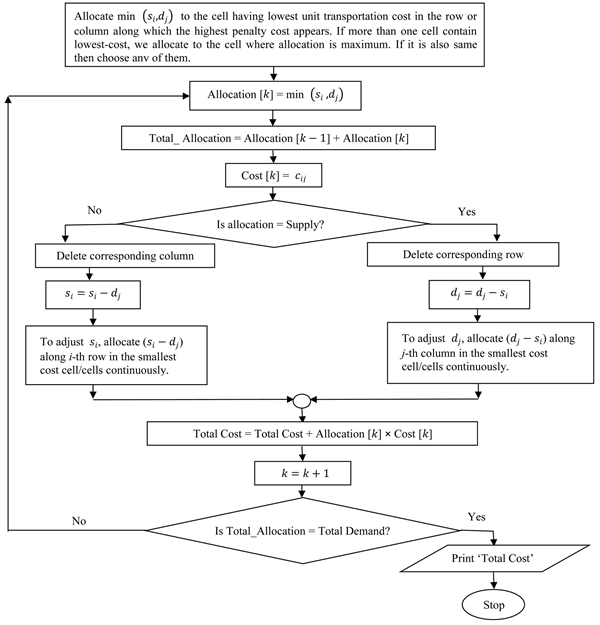
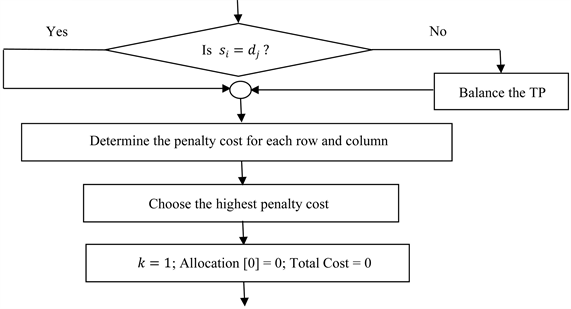
<?xml version="1.0" encoding="UTF-8"?><!DOCTYPE article  PUBLIC "-//NLM//DTD Journal Publishing DTD v3.0 20080202//EN" "http://dtd.nlm.nih.gov/publishing/3.0/journalpublishing3.dtd"><article xmlns:mml="http://www.w3.org/1998/Math/MathML" xmlns:xlink="http://www.w3.org/1999/xlink" dtd-version="3.0" xml:lang="en" article-type="research article"><front><journal-meta><journal-id journal-id-type="publisher-id">AJOR</journal-id><journal-title-group><journal-title>American Journal of Operations Research</journal-title></journal-title-group><issn pub-type="epub">2160-8830</issn><publisher><publisher-name>Scientific Research Publishing</publisher-name></publisher></journal-meta><article-meta><article-id pub-id-type="doi">10.4236/ajor.2020.104008</article-id><article-id pub-id-type="publisher-id">AJOR-101452</article-id><article-categories><subj-group subj-group-type="heading"><subject>Articles</subject></subj-group><subj-group subj-group-type="Discipline-v2"><subject>Physics&amp;Mathematics</subject></subj-group></article-categories><title-group><article-title>
 
 
  A Comparative Study of Initial Basic Feasible Solution by a Least Cost Mean Method (LCMM) of Transportation Problem
 
</article-title></title-group><contrib-group><contrib contrib-type="author" xlink:type="simple"><name name-style="western"><surname>Md.</surname><given-names>Munir Hossain</given-names></name><xref ref-type="aff" rid="aff1"><sup>1</sup></xref></contrib><contrib contrib-type="author" xlink:type="simple"><name name-style="western"><surname>Mollah</surname><given-names>Mesbahuddin Ahmed</given-names></name><xref ref-type="aff" rid="aff2"><sup>2</sup></xref></contrib></contrib-group><aff id="aff2"><addr-line>Birshreshtha Noor Mohammad Public College, Dhaka, Bangladesh</addr-line></aff><aff id="aff1"><addr-line>Department of Mathematics, Bangladesh Military Academy, Chattogram, Bangladesh</addr-line></aff><pub-date pub-type="epub"><day>16</day><month>06</month><year>2020</year></pub-date><volume>10</volume><issue>04</issue><fpage>122</fpage><lpage>131</lpage><history><date date-type="received"><day>5,</day>	<month>June</month>	<year>2020</year></date><date date-type="rev-recd"><day>11,</day>	<month>July</month>	<year>2020</year>	</date><date date-type="accepted"><day>14,</day>	<month>July</month>	<year>2020</year></date></history><permissions><copyright-statement>&#169; Copyright  2014 by authors and Scientific Research Publishing Inc. </copyright-statement><copyright-year>2014</copyright-year><license><license-p>This work is licensed under the Creative Commons Attribution International License (CC BY). http://creativecommons.org/licenses/by/4.0/</license-p></license></permissions><abstract><p>
 
 
  Transportation Problems (TP), as is known, are a basic network problem which can be formulated as a Linear Programming Problem (LPP). Transportation networks are built up in order to save transportation cost. In the solution procedure of a TP, finding an Initial Basic Feasible Solution (IBFS) is necessary to obtain the optimal solution. Optimality gives us the optimal route that prompts either most extreme benefit or least aggregate cost whichever is required. In this research paper, a new method named Least Cost Mean Method is proposed to obtain a better IBFS where row penalty and column penalty is brought out by the mean of lowest and next lowest cost of each row and each column of the cost matrix. The method is illustrated with numerical examples. To verify the performance of the proposed method, a comparative study is also carried out and observed that it is computationally easier and yielding comparatively better solution.
 
</p></abstract><kwd-group><kwd>Initial Basic Feasible Solution</kwd><kwd> Optimum Solution</kwd><kwd> Penalty Cost</kwd></kwd-group></article-meta></front><body><sec id="s1"><title>1. Introduction</title><p>Special type of linear programming problem is known as Transportation Problem (TP). TPs predominantly discuss the distribution plan of a product from a number of sources (e.g. factories) to a number of destinations (e.g. ware houses). When addressing a TP, the practitioner usually has a number of origins and a number of destinations. The origin of a TP is the place from which shipments are dispatched. The destination of a TP is the place to which shipments are transported. In each origin a certain amount of a particular consignment is available. Similarly, each destination has a certain requirement. Transporting one unit of the consignment from an origin to a destination is known as unit transportation cost. The TP indicates the amount of consignment to be transported from various origins to different destinations so that the total transportation cost is minimized without violating the availability constraints and the requirement constraints.</p><p>The first systematic procedure in solving the TP was developed by F.L. Hitchcock [<xref ref-type="bibr" rid="scirp.101452-ref1">1</xref>] in 1941 and referred as Least Cost Method (LCM), which consists in allocating as much as possible in the lowest cost cell of the TP in making allocation in every stage. Then the North West Corner Method (NWCM) by Charnes et al. [<xref ref-type="bibr" rid="scirp.101452-ref2">2</xref>] which started with allocating at the upper left corner cell or the north-west corner cell. It is based on position but not on transportation cost. Hence this method usually yields a higher cost, which is much more than optimal cost. Since LCM is based on cost cells therefore it usually gives better result than NWCM.</p><p>Reinfeld and Vogel [<xref ref-type="bibr" rid="scirp.101452-ref3">3</xref>] introduced Vogel’s Approximation Method (VAM) which is the conventional method that gives better IBFS than LCM and NWCM. This method was developed by describing penalty as the difference of lowest and next to lowest cost in each row and column of transportation table (TT) and allocate to the lowest cost cell corresponding to the highest penalty. Kasana and Kumar [<xref ref-type="bibr" rid="scirp.101452-ref4">4</xref>] bring in Extreme Difference Method (EDM) calculating the penalty by taking the differences of the highest cost and lowest cost in each row and each column where allocation procedure is as similar as VAM. Aminur Rahman Khan [<xref ref-type="bibr" rid="scirp.101452-ref6">6</xref>] presented HCDM by defining pointer cost as the difference of highest and next to highest cost in each row and column of a transportation table and allocate to the minimum cost cell corresponding to the highest three pointer cost. Mollah Mesbahuddin Ahmed et al. [<xref ref-type="bibr" rid="scirp.101452-ref7">7</xref>] applied the first allocation on lowest odd valued cost cell and proposed to form an allocation table (ATM) to allocate rest of the allocation for finding an IBFS.</p><p>Priyanka and Sushma [<xref ref-type="bibr" rid="scirp.101452-ref5">5</xref>] developed Average Transportation Cost Method (ATCM) by describing penalty as the average of the costs in each row and column of TT and allocation is to be done in the lowest cost cell corresponding to the highest penalty. Priyanka and Sushma [<xref ref-type="bibr" rid="scirp.101452-ref9">9</xref>] introduced modified ATCM by finding penalty which is equal to the average of minimum two costs in each row and column. Kirca and Satir [<xref ref-type="bibr" rid="scirp.101452-ref10">10</xref>] developed a heuristic to obtain efficient IBFS called Total Opportunity Cost Matrix (TOCM) by adding row opportunity cost and column opportunity cost. Here row opportunity cost is the deduction between lowest cost and all other cost elements of that particular row. Using this TOCM Kalam and Bellel [<xref ref-type="bibr" rid="scirp.101452-ref8">8</xref>] presented a method where penalties are the average of the row opportunity cost (row penalty) and the average of the column opportunity cost (column penalty). Similarly column opportunity cost is the deduction between lowest cost and all other cost elements of that column. Recently Hossain et al. [<xref ref-type="bibr" rid="scirp.101452-ref11">11</xref>] have used TOCM and defined the penalty cost as the difference between the highest and the lowest cell in the respective row and column of the TOCM. Then allocate to the minimum cost cell corresponding to the highest penalty cost where computing penalty cost for each and every allocation is avoided to ease up the computational complication.</p><p>In this research, we studied TPs and its solution technique in details. We also studied various methods for finding an IBFS for TPs and observed that there is no unique method which can be claimed as the best method for finding an IBFS. Again there is no standard procedure by which we can measure the quality of a solution technique. We also observed that some of the methods are yielding optimal or near to optimal, but the computational procedure is time consuming and complicated. In this study we try to bring some change in the solution technique of the existing methods with an aim to make the solution technique computationally easier. In this proposed method we need to compute penalty cost only for the first allocation and rest of the allocations is determined by alternative allocation procedure. We also solve several numbers of numerical problems using existing method and proposed method.</p></sec><sec id="s2"><title>2. Transportation Model</title><p>The general form of the TP is presented by the following <xref ref-type="fig" rid="fig1">Figure 1</xref>.</p><p>To describe the above transportation model following representations are to be used:</p><p>O i —Total number of sources, i = 1 , 2 , 3 , ⋯ , m</p><p><inline-formula><inline-graphic xlink:href="/html.scirp.org/file/3-1040737x4.png" xlink:type="simple"/></inline-formula>—Total number of destinations, j = 1 , 2 , 3 , ⋯ , n</p><p>s i —Amount of supply at source i</p><p>d j —Amount of demand at destination j</p><p>c i j —Unit transportation cost from source i to destination j</p><p>x i j —Amount to be transported from source i to destination j</p><p>The main purpose of the model is to obtain the unknowns’ x i j that will minimize the total transportation cost by satisfying the supply and demand constraints. Considering this objective TP can be formulated as follows:</p><p>Minimize: z = ∑ i = 1 m ∑ j = 1 n c i j x i j</p><p>Subject to:<inline-formula><inline-graphic xlink:href="/html.scirp.org/file/3-1040737x13.png" xlink:type="simple"/></inline-formula>; i = 1 , 2 , ⋯ , m</p><p>∑ i = 1 m x i j ≥ d j ; j = 1 , 2 , ⋯ , n</p><p>x i j ≥ 0 for all i and j</p></sec><sec id="s3"><title>3. Algorithm</title><p>Step 1. Formulate the problem mathematically and if either (total supply &gt; total demand) or (total supply &lt; total demand), balance the given TP.</p><p>Step 2. Determine the penalty cost for each row by taking average of the lowest cell cost and the next lowest cell cost in the same row and put it on the right of the corresponding rows of the cost matrix. Similarly, calculate the penalty for each of the columns and write them in the bottom of the cost matrix below corresponding columns.</p><p>Step 3. Choose the highest penalty costs and observe the row or column along which it appears. If a tie occurs, choose the row/column along which lowest-cost appears.</p><p>Step 4. Allocate min ( s i , d j ) to the cell having lowest unit transportation cost in the row or column along which the highest penalty cost appears. If more than one cell contain lowest-cost, we allocate to the cell where allocation is maximum. If it is also same then choose any of them.</p><p>Step 5. If the allocation X i j = s i , i-th row is to be crossed out and d j is reduced to ( d j − s i ) . Now complete the allocation along j-th column by making the allocation/allocations in the smallest cost cell/cells continuously. Consider that, j-th column is exhausted for the allocation X k j at the cell (k, j). Now, follow the same procedure to complete the allocation along k-th row and continue this process until entire rows and columns are exhausted. Again if the allocation X i j = d j , just reverse the process for X i j = s i .</p><p>Step 6. If the allocation X i j = s i = d j , find the next smallest cost cell (i, k) from the rest of the cost cells along i-th row and j-th column. Assign a zero in the cell (i, k) and cross out i-th row and j-th column. After that complete the allocation along k-th row/column following the process described in step 5 to complete the allocations.</p><p>Step 7. Finally calculate the total transportation cost which is the sum of the product of cost and corresponding allocated value.</p>Flow Chart<disp-formula id="scirp.101452-formula1"><graphic  xlink:href="//html.scirp.org/file/3-1040737x26.png"  xlink:type="simple"/></disp-formula><p><img src="//html.scirp.org/file/3-1040737x28.png" /><img src="//html.scirp.org/file/3-1040737x27.png" /></p></sec><sec id="s4"><title>4. Novelty of Our Algorithm</title><p>We work on exiting average cost method [<xref ref-type="bibr" rid="scirp.101452-ref5">5</xref>] [<xref ref-type="bibr" rid="scirp.101452-ref8">8</xref>] [<xref ref-type="bibr" rid="scirp.101452-ref9">9</xref>] and observe that computing penalty cost for each and every allocation is a computationally complicated and time consuming procedure. Therefore we try to avoid computing penalty cost for each and every allocation with a view to simplify the solution technique.</p></sec><sec id="s5"><title>5. Numerical Example with Illustration</title><p>Example 1</p><p>Three fertilizer factories O 1 , O 2 and O 3 are located at different places of the country produce 20, 28 and 17 lakhs tons of urea respectively. They are to be distributed to four district D 1 , D 2 , D 3 and D 4 as 15, 19, 13 and 18 lakhs tons respectively. The transportation cost per ton of fertilizer is given in the transportation <xref ref-type="table" rid="table1">Table 1</xref>:</p><p>Initial basic feasible solution using proposed method is given below (<xref ref-type="table" rid="table2">Table 2</xref>):</p><p>&#183; According to Step 1 it is found that the given problem is balanced.</p><p>&#183; According to Step 2 row penalty and column penalty is determined by the average of lowest and next lowest cost those are put on the right and bottom of the corresponding row and column respectively.</p><p>&#183; Here in both 3<sup>rd</sup> row penalty and 4<sup>th</sup> column penalty is same i.e. 5. Since tie is occurred, therefore along those row and column lowest-cost appears in cell <inline-formula><inline-graphic xlink:href="/html.scirp.org/file/3-1040737x33.png" xlink:type="simple"/></inline-formula> where the allocation is<inline-formula><inline-graphic xlink:href="/html.scirp.org/file/3-1040737x34.png" xlink:type="simple"/></inline-formula>. With this allocation column <inline-formula><inline-graphic xlink:href="/html.scirp.org/file/3-1040737x35.png" xlink:type="simple"/></inline-formula> is crossed out and supply along <inline-formula><inline-graphic xlink:href="/html.scirp.org/file/3-1040737x36.png" xlink:type="simple"/></inline-formula> row is reduced to <inline-formula><inline-graphic xlink:href="/html.scirp.org/file/3-1040737x37.png" xlink:type="simple"/></inline-formula>.</p><p>&#183; As per Step 5 to complete the allocation of <inline-formula><inline-graphic xlink:href="/html.scirp.org/file/3-1040737x38.png" xlink:type="simple"/></inline-formula> row, our next smallest cost cell along the <inline-formula><inline-graphic xlink:href="/html.scirp.org/file/3-1040737x39.png" xlink:type="simple"/></inline-formula> row is cell<inline-formula><inline-graphic xlink:href="/html.scirp.org/file/3-1040737x40.png" xlink:type="simple"/></inline-formula>. Now allocate remaining <inline-formula><inline-graphic xlink:href="/html.scirp.org/file/3-1040737x41.png" xlink:type="simple"/></inline-formula> at the cell <inline-formula><inline-graphic xlink:href="/html.scirp.org/file/3-1040737x42.png" xlink:type="simple"/></inline-formula> and cross out the <inline-formula><inline-graphic xlink:href="/html.scirp.org/file/3-1040737x43.png" xlink:type="simple"/></inline-formula> row. After this allocation, demand along the column <inline-formula><inline-graphic xlink:href="/html.scirp.org/file/3-1040737x44.png" xlink:type="simple"/></inline-formula> reduced to<inline-formula><inline-graphic xlink:href="/html.scirp.org/file/3-1040737x44.png" xlink:type="simple"/></inline-formula><inline-formula><inline-graphic xlink:href="//html.scirp.org/file/3-1040737x45.png" xlink:type="simple"/></inline-formula>. In the column<inline-formula><inline-graphic xlink:href="/html.scirp.org/file/3-1040737x44.png" xlink:type="simple"/></inline-formula><inline-formula><inline-graphic xlink:href="//html.scirp.org/file/3-1040737x45.png" xlink:type="simple"/></inline-formula><inline-formula><inline-graphic xlink:href="//html.scirp.org/file/3-1040737x46.png" xlink:type="simple"/></inline-formula>, the smallest cost cell <inline-formula><inline-graphic xlink:href="/html.scirp.org/file/3-1040737x44.png" xlink:type="simple"/></inline-formula><inline-formula><inline-graphic xlink:href="//html.scirp.org/file/3-1040737x45.png" xlink:type="simple"/></inline-formula><inline-formula><inline-graphic xlink:href="//html.scirp.org/file/3-1040737x46.png" xlink:type="simple"/></inline-formula><inline-formula><inline-graphic xlink:href="//html.scirp.org/file/3-1040737x47.png" xlink:type="simple"/></inline-formula> where we put remaining <inline-formula><inline-graphic xlink:href="/html.scirp.org/file/3-1040737x44.png" xlink:type="simple"/></inline-formula><inline-formula><inline-graphic xlink:href="//html.scirp.org/file/3-1040737x45.png" xlink:type="simple"/></inline-formula><inline-formula><inline-graphic xlink:href="//html.scirp.org/file/3-1040737x46.png" xlink:type="simple"/></inline-formula><inline-formula><inline-graphic xlink:href="//html.scirp.org/file/3-1040737x47.png" xlink:type="simple"/></inline-formula><inline-formula><inline-graphic xlink:href="//html.scirp.org/file/3-1040737x48.png" xlink:type="simple"/></inline-formula> as a next allocation and cross out <inline-formula><inline-graphic xlink:href="/html.scirp.org/file/3-1040737x44.png" xlink:type="simple"/></inline-formula><inline-formula><inline-graphic xlink:href="//html.scirp.org/file/3-1040737x45.png" xlink:type="simple"/></inline-formula><inline-formula><inline-graphic xlink:href="//html.scirp.org/file/3-1040737x46.png" xlink:type="simple"/></inline-formula><inline-formula><inline-graphic xlink:href="//html.scirp.org/file/3-1040737x47.png" xlink:type="simple"/></inline-formula><inline-formula><inline-graphic xlink:href="//html.scirp.org/file/3-1040737x48.png" xlink:type="simple"/></inline-formula><inline-formula><inline-graphic xlink:href="//html.scirp.org/file/3-1040737x49.png" xlink:type="simple"/></inline-formula> column. Supply along the row <inline-formula><inline-graphic xlink:href="/html.scirp.org/file/3-1040737x44.png" xlink:type="simple"/></inline-formula><inline-formula><inline-graphic xlink:href="//html.scirp.org/file/3-1040737x45.png" xlink:type="simple"/></inline-formula><inline-formula><inline-graphic xlink:href="//html.scirp.org/file/3-1040737x46.png" xlink:type="simple"/></inline-formula><inline-formula><inline-graphic xlink:href="//html.scirp.org/file/3-1040737x47.png" xlink:type="simple"/></inline-formula><inline-formula><inline-graphic xlink:href="//html.scirp.org/file/3-1040737x48.png" xlink:type="simple"/></inline-formula><inline-formula><inline-graphic xlink:href="//html.scirp.org/file/3-1040737x49.png" xlink:type="simple"/></inline-formula><inline-formula><inline-graphic xlink:href="//html.scirp.org/file/3-1040737x50.png" xlink:type="simple"/></inline-formula> reduced to<inline-formula><inline-graphic xlink:href="/html.scirp.org/file/3-1040737x44.png" xlink:type="simple"/></inline-formula><inline-formula><inline-graphic xlink:href="//html.scirp.org/file/3-1040737x45.png" xlink:type="simple"/></inline-formula><inline-formula><inline-graphic xlink:href="//html.scirp.org/file/3-1040737x46.png" xlink:type="simple"/></inline-formula><inline-formula><inline-graphic xlink:href="//html.scirp.org/file/3-1040737x47.png" xlink:type="simple"/></inline-formula><inline-formula><inline-graphic xlink:href="//html.scirp.org/file/3-1040737x48.png" xlink:type="simple"/></inline-formula><inline-formula><inline-graphic xlink:href="//html.scirp.org/file/3-1040737x49.png" xlink:type="simple"/></inline-formula><inline-formula><inline-graphic xlink:href="//html.scirp.org/file/3-1040737x50.png" xlink:type="simple"/></inline-formula><inline-formula><inline-graphic xlink:href="//html.scirp.org/file/3-1040737x51.png" xlink:type="simple"/></inline-formula>.</p><table-wrap id="table1" ><label><xref ref-type="table" rid="table1">Table 1</xref></label><caption><title> The given problem of example 1</title></caption><table><tbody><thead><tr><th align="center" valign="middle" ></th><th align="center" valign="middle" >D 1</th><th align="center" valign="middle" >D 2</th><th align="center" valign="middle" >D 3</th><th align="center" valign="middle" >D 4</th><th align="center" valign="middle" >Supply</th></tr></thead><tr><td align="center" valign="middle" >O 1</td><td align="center" valign="middle" >3</td><td align="center" valign="middle" >6</td><td align="center" valign="middle" >8</td><td align="center" valign="middle" >5</td><td align="center" valign="middle" >20</td></tr><tr><td align="center" valign="middle" >O 2</td><td align="center" valign="middle" >6</td><td align="center" valign="middle" >1</td><td align="center" valign="middle" >2</td><td align="center" valign="middle" >5</td><td align="center" valign="middle" >28</td></tr><tr><td align="center" valign="middle" >O 3</td><td align="center" valign="middle" >7</td><td align="center" valign="middle" >8</td><td align="center" valign="middle" >3</td><td align="center" valign="middle" >9</td><td align="center" valign="middle" >17</td></tr><tr><td align="center" valign="middle" >Demand</td><td align="center" valign="middle" >15</td><td align="center" valign="middle" >19</td><td align="center" valign="middle" >13</td><td align="center" valign="middle" >18</td><td align="center" valign="middle" ></td></tr></tbody></table></table-wrap><table-wrap id="table2" ><label><xref ref-type="table" rid="table2">Table 2</xref></label><caption><title> Initial basic feasible solution obtained by LCMM</title></caption><table><tbody><thead><tr><th align="center" valign="middle" ></th><th align="center" valign="middle"  colspan="2"  >D 1</th><th align="center" valign="middle"  colspan="2"  >D 2</th><th align="center" valign="middle"  colspan="2"  >D 3</th><th align="center" valign="middle"  colspan="2"  >D 4</th><th align="center" valign="middle" >Supply</th><th align="center" valign="middle" >Row Penalty</th></tr></thead><tr><td align="center" valign="middle"  rowspan="2"  >O 1</td><td align="center" valign="middle" >11</td><td align="center" valign="middle"  rowspan="2"  >3</td><td align="center" valign="middle"  colspan="2"   rowspan="2"  >6</td><td align="center" valign="middle"  colspan="2"   rowspan="2"  >8</td><td align="center" valign="middle" >9</td><td align="center" valign="middle"  rowspan="2"  >5</td><td align="center" valign="middle"  rowspan="2"  >20</td><td align="center" valign="middle"  rowspan="2"  >(4)</td></tr><tr><td align="center" valign="middle" ></td><td align="center" valign="middle" ></td></tr><tr><td align="center" valign="middle"  rowspan="2"  >O 2</td><td align="center" valign="middle"  colspan="2"   rowspan="2"  >6</td><td align="center" valign="middle" >19</td><td align="center" valign="middle" ></td><td align="center" valign="middle"  colspan="2"   rowspan="2"  >2</td><td align="center" valign="middle" >9</td><td align="center" valign="middle"  rowspan="2"  >5</td><td align="center" valign="middle"  rowspan="2"  >28</td><td align="center" valign="middle"  rowspan="2"  >(1.5)</td></tr><tr><td align="center" valign="middle"  colspan="2"  >1</td><td align="center" valign="middle" ></td></tr><tr><td align="center" valign="middle"  rowspan="2"  >O 3</td><td align="center" valign="middle" >4</td><td align="center" valign="middle" ></td><td align="center" valign="middle"  colspan="2"   rowspan="2"  >8</td><td align="center" valign="middle" >13</td><td align="center" valign="middle"  rowspan="2"  >3</td><td align="center" valign="middle"  colspan="2"   rowspan="2"  >9</td><td align="center" valign="middle"  rowspan="2"  >17</td><td align="center" valign="middle"  rowspan="2"  >(5)</td></tr><tr><td align="center" valign="middle"  colspan="2"  >7</td><td align="center" valign="middle" ></td></tr><tr><td align="center" valign="middle" >Demand</td><td align="center" valign="middle"  colspan="2"  >15</td><td align="center" valign="middle"  colspan="2"  >19</td><td align="center" valign="middle"  colspan="2"  >13</td><td align="center" valign="middle"  colspan="2"  >18</td><td align="center" valign="middle"  colspan="2"   rowspan="2"  ></td></tr><tr><td align="center" valign="middle" >Column Penalty</td><td align="center" valign="middle"  colspan="2"  >(4.5)</td><td align="center" valign="middle"  colspan="2"  >(3.5)</td><td align="center" valign="middle"  colspan="2"  >(2.5)</td><td align="center" valign="middle"  colspan="2"  >(5)</td></tr><tr><td align="center" valign="middle" ></td><td align="center" valign="middle" ></td><td align="center" valign="middle" ></td><td align="center" valign="middle" ></td><td align="center" valign="middle" ></td><td align="center" valign="middle" ></td><td align="center" valign="middle" ></td><td align="center" valign="middle" ></td><td align="center" valign="middle" ></td><td align="center" valign="middle" ></td><td align="center" valign="middle" ></td></tr></tbody></table></table-wrap><p>&#183; Now complete the allocation along <inline-formula><inline-graphic xlink:href="//html.scirp.org/file/3-1040737x66.png" xlink:type="simple"/></inline-formula> row by making the allocation in the smallest cost (5) in the cell<inline-formula><inline-graphic xlink:href="//html.scirp.org/file/3-1040737x66.png" xlink:type="simple"/></inline-formula><inline-formula><inline-graphic xlink:href="//html.scirp.org/file/3-1040737x67.png" xlink:type="simple"/></inline-formula>. Here <inline-formula><inline-graphic xlink:href="//html.scirp.org/file/3-1040737x66.png" xlink:type="simple"/></inline-formula><inline-formula><inline-graphic xlink:href="//html.scirp.org/file/3-1040737x67.png" xlink:type="simple"/></inline-formula><inline-formula><inline-graphic xlink:href="//html.scirp.org/file/3-1040737x68.png" xlink:type="simple"/></inline-formula> row is exhausted for the allocation remaining <inline-formula><inline-graphic xlink:href="//html.scirp.org/file/3-1040737x66.png" xlink:type="simple"/></inline-formula><inline-formula><inline-graphic xlink:href="//html.scirp.org/file/3-1040737x67.png" xlink:type="simple"/></inline-formula><inline-formula><inline-graphic xlink:href="//html.scirp.org/file/3-1040737x68.png" xlink:type="simple"/></inline-formula><inline-formula><inline-graphic xlink:href="//html.scirp.org/file/3-1040737x69.png" xlink:type="simple"/></inline-formula> units at the cell<inline-formula><inline-graphic xlink:href="//html.scirp.org/file/3-1040737x66.png" xlink:type="simple"/></inline-formula><inline-formula><inline-graphic xlink:href="//html.scirp.org/file/3-1040737x67.png" xlink:type="simple"/></inline-formula><inline-formula><inline-graphic xlink:href="//html.scirp.org/file/3-1040737x68.png" xlink:type="simple"/></inline-formula><inline-formula><inline-graphic xlink:href="//html.scirp.org/file/3-1040737x69.png" xlink:type="simple"/></inline-formula><inline-formula><inline-graphic xlink:href="//html.scirp.org/file/3-1040737x70.png" xlink:type="simple"/></inline-formula>.</p><p>&#183; In this stage, the allocation along <inline-formula><inline-graphic xlink:href="//html.scirp.org/file/3-1040737x71.png" xlink:type="simple"/></inline-formula> column will be in the smallest cost (5) which is at the cell<inline-formula><inline-graphic xlink:href="//html.scirp.org/file/3-1040737x71.png" xlink:type="simple"/></inline-formula><inline-formula><inline-graphic xlink:href="//html.scirp.org/file/3-1040737x72.png" xlink:type="simple"/></inline-formula>. By making the allocation of remaining <inline-formula><inline-graphic xlink:href="//html.scirp.org/file/3-1040737x71.png" xlink:type="simple"/></inline-formula><inline-formula><inline-graphic xlink:href="//html.scirp.org/file/3-1040737x72.png" xlink:type="simple"/></inline-formula><inline-formula><inline-graphic xlink:href="//html.scirp.org/file/3-1040737x73.png" xlink:type="simple"/></inline-formula> units in the cell<inline-formula><inline-graphic xlink:href="//html.scirp.org/file/3-1040737x71.png" xlink:type="simple"/></inline-formula><inline-formula><inline-graphic xlink:href="//html.scirp.org/file/3-1040737x72.png" xlink:type="simple"/></inline-formula><inline-formula><inline-graphic xlink:href="//html.scirp.org/file/3-1040737x73.png" xlink:type="simple"/></inline-formula><inline-formula><inline-graphic xlink:href="//html.scirp.org/file/3-1040737x74.png" xlink:type="simple"/></inline-formula>, the <inline-formula><inline-graphic xlink:href="//html.scirp.org/file/3-1040737x71.png" xlink:type="simple"/></inline-formula><inline-formula><inline-graphic xlink:href="//html.scirp.org/file/3-1040737x72.png" xlink:type="simple"/></inline-formula><inline-formula><inline-graphic xlink:href="//html.scirp.org/file/3-1040737x73.png" xlink:type="simple"/></inline-formula><inline-formula><inline-graphic xlink:href="//html.scirp.org/file/3-1040737x74.png" xlink:type="simple"/></inline-formula><inline-formula><inline-graphic xlink:href="//html.scirp.org/file/3-1040737x75.png" xlink:type="simple"/></inline-formula> column is crossed out but the row <inline-formula><inline-graphic xlink:href="//html.scirp.org/file/3-1040737x71.png" xlink:type="simple"/></inline-formula><inline-formula><inline-graphic xlink:href="//html.scirp.org/file/3-1040737x72.png" xlink:type="simple"/></inline-formula><inline-formula><inline-graphic xlink:href="//html.scirp.org/file/3-1040737x73.png" xlink:type="simple"/></inline-formula><inline-formula><inline-graphic xlink:href="//html.scirp.org/file/3-1040737x74.png" xlink:type="simple"/></inline-formula><inline-formula><inline-graphic xlink:href="//html.scirp.org/file/3-1040737x75.png" xlink:type="simple"/></inline-formula><inline-formula><inline-graphic xlink:href="//html.scirp.org/file/3-1040737x76.png" xlink:type="simple"/></inline-formula> is yet to exhaust. Then we will go for next smallest cost (1) along the <inline-formula><inline-graphic xlink:href="//html.scirp.org/file/3-1040737x71.png" xlink:type="simple"/></inline-formula><inline-formula><inline-graphic xlink:href="//html.scirp.org/file/3-1040737x72.png" xlink:type="simple"/></inline-formula><inline-formula><inline-graphic xlink:href="//html.scirp.org/file/3-1040737x73.png" xlink:type="simple"/></inline-formula><inline-formula><inline-graphic xlink:href="//html.scirp.org/file/3-1040737x74.png" xlink:type="simple"/></inline-formula><inline-formula><inline-graphic xlink:href="//html.scirp.org/file/3-1040737x75.png" xlink:type="simple"/></inline-formula><inline-formula><inline-graphic xlink:href="//html.scirp.org/file/3-1040737x76.png" xlink:type="simple"/></inline-formula><inline-formula><inline-graphic xlink:href="//html.scirp.org/file/3-1040737x77.png" xlink:type="simple"/></inline-formula> row in the cell<inline-formula><inline-graphic xlink:href="//html.scirp.org/file/3-1040737x71.png" xlink:type="simple"/></inline-formula><inline-formula><inline-graphic xlink:href="//html.scirp.org/file/3-1040737x72.png" xlink:type="simple"/></inline-formula><inline-formula><inline-graphic xlink:href="//html.scirp.org/file/3-1040737x73.png" xlink:type="simple"/></inline-formula><inline-formula><inline-graphic xlink:href="//html.scirp.org/file/3-1040737x74.png" xlink:type="simple"/></inline-formula><inline-formula><inline-graphic xlink:href="//html.scirp.org/file/3-1040737x75.png" xlink:type="simple"/></inline-formula><inline-formula><inline-graphic xlink:href="//html.scirp.org/file/3-1040737x76.png" xlink:type="simple"/></inline-formula><inline-formula><inline-graphic xlink:href="//html.scirp.org/file/3-1040737x77.png" xlink:type="simple"/></inline-formula><inline-formula><inline-graphic xlink:href="//html.scirp.org/file/3-1040737x78.png" xlink:type="simple"/></inline-formula>. Therefore <inline-formula><inline-graphic xlink:href="//html.scirp.org/file/3-1040737x71.png" xlink:type="simple"/></inline-formula><inline-formula><inline-graphic xlink:href="//html.scirp.org/file/3-1040737x72.png" xlink:type="simple"/></inline-formula><inline-formula><inline-graphic xlink:href="//html.scirp.org/file/3-1040737x73.png" xlink:type="simple"/></inline-formula><inline-formula><inline-graphic xlink:href="//html.scirp.org/file/3-1040737x74.png" xlink:type="simple"/></inline-formula><inline-formula><inline-graphic xlink:href="//html.scirp.org/file/3-1040737x75.png" xlink:type="simple"/></inline-formula><inline-formula><inline-graphic xlink:href="//html.scirp.org/file/3-1040737x76.png" xlink:type="simple"/></inline-formula><inline-formula><inline-graphic xlink:href="//html.scirp.org/file/3-1040737x77.png" xlink:type="simple"/></inline-formula><inline-formula><inline-graphic xlink:href="//html.scirp.org/file/3-1040737x78.png" xlink:type="simple"/></inline-formula><inline-formula><inline-graphic xlink:href="//html.scirp.org/file/3-1040737x79.png" xlink:type="simple"/></inline-formula> row and column <inline-formula><inline-graphic xlink:href="//html.scirp.org/file/3-1040737x71.png" xlink:type="simple"/></inline-formula><inline-formula><inline-graphic xlink:href="//html.scirp.org/file/3-1040737x72.png" xlink:type="simple"/></inline-formula><inline-formula><inline-graphic xlink:href="//html.scirp.org/file/3-1040737x73.png" xlink:type="simple"/></inline-formula><inline-formula><inline-graphic xlink:href="//html.scirp.org/file/3-1040737x74.png" xlink:type="simple"/></inline-formula><inline-formula><inline-graphic xlink:href="//html.scirp.org/file/3-1040737x75.png" xlink:type="simple"/></inline-formula><inline-formula><inline-graphic xlink:href="//html.scirp.org/file/3-1040737x76.png" xlink:type="simple"/></inline-formula><inline-formula><inline-graphic xlink:href="//html.scirp.org/file/3-1040737x77.png" xlink:type="simple"/></inline-formula><inline-formula><inline-graphic xlink:href="//html.scirp.org/file/3-1040737x78.png" xlink:type="simple"/></inline-formula><inline-formula><inline-graphic xlink:href="//html.scirp.org/file/3-1040737x79.png" xlink:type="simple"/></inline-formula><inline-formula><inline-graphic xlink:href="//html.scirp.org/file/3-1040737x80.png" xlink:type="simple"/></inline-formula> are exhausted simultaneously for the allocation remaining <inline-formula><inline-graphic xlink:href="//html.scirp.org/file/3-1040737x71.png" xlink:type="simple"/></inline-formula><inline-formula><inline-graphic xlink:href="//html.scirp.org/file/3-1040737x72.png" xlink:type="simple"/></inline-formula><inline-formula><inline-graphic xlink:href="//html.scirp.org/file/3-1040737x73.png" xlink:type="simple"/></inline-formula><inline-formula><inline-graphic xlink:href="//html.scirp.org/file/3-1040737x74.png" xlink:type="simple"/></inline-formula><inline-formula><inline-graphic xlink:href="//html.scirp.org/file/3-1040737x75.png" xlink:type="simple"/></inline-formula><inline-formula><inline-graphic xlink:href="//html.scirp.org/file/3-1040737x76.png" xlink:type="simple"/></inline-formula><inline-formula><inline-graphic xlink:href="//html.scirp.org/file/3-1040737x77.png" xlink:type="simple"/></inline-formula><inline-formula><inline-graphic xlink:href="//html.scirp.org/file/3-1040737x78.png" xlink:type="simple"/></inline-formula><inline-formula><inline-graphic xlink:href="//html.scirp.org/file/3-1040737x79.png" xlink:type="simple"/></inline-formula><inline-formula><inline-graphic xlink:href="//html.scirp.org/file/3-1040737x80.png" xlink:type="simple"/></inline-formula><inline-formula><inline-graphic xlink:href="//html.scirp.org/file/3-1040737x81.png" xlink:type="simple"/></inline-formula> units at the cell<inline-formula><inline-graphic xlink:href="//html.scirp.org/file/3-1040737x71.png" xlink:type="simple"/></inline-formula><inline-formula><inline-graphic xlink:href="//html.scirp.org/file/3-1040737x72.png" xlink:type="simple"/></inline-formula><inline-formula><inline-graphic xlink:href="//html.scirp.org/file/3-1040737x73.png" xlink:type="simple"/></inline-formula><inline-formula><inline-graphic xlink:href="//html.scirp.org/file/3-1040737x74.png" xlink:type="simple"/></inline-formula><inline-formula><inline-graphic xlink:href="//html.scirp.org/file/3-1040737x75.png" xlink:type="simple"/></inline-formula><inline-formula><inline-graphic xlink:href="//html.scirp.org/file/3-1040737x76.png" xlink:type="simple"/></inline-formula><inline-formula><inline-graphic xlink:href="//html.scirp.org/file/3-1040737x77.png" xlink:type="simple"/></inline-formula><inline-formula><inline-graphic xlink:href="//html.scirp.org/file/3-1040737x78.png" xlink:type="simple"/></inline-formula><inline-formula><inline-graphic xlink:href="//html.scirp.org/file/3-1040737x79.png" xlink:type="simple"/></inline-formula><inline-formula><inline-graphic xlink:href="//html.scirp.org/file/3-1040737x80.png" xlink:type="simple"/></inline-formula><inline-formula><inline-graphic xlink:href="//html.scirp.org/file/3-1040737x81.png" xlink:type="simple"/></inline-formula><inline-formula><inline-graphic xlink:href="//html.scirp.org/file/3-1040737x82.png" xlink:type="simple"/></inline-formula>.</p><p>&#183; As per Step 7, total transportation cost is,</p><p>11 &#215; 3 + 9 &#215; 5 + 19 &#215; 1 + 9 &#215; 5 + 4 &#215; 7 + 13 &#215; 3 = 209</p></sec><sec id="s6"><title>6. Numerical Example</title><p>We solve other three problems those have taken from some reputed journals. These problems along with their IBFS obtained by LCMM are tabulated in the following <xref ref-type="table" rid="table3">Table 3</xref>.</p></sec><sec id="s7"><title>7. Result Comparison</title><p>We study the IBFS obtained by various methods. We carry out a comparative study of IBFS between proposed method and existing methods. To justify the perfectness of the proposed method a comparison is shown in the following table and chart (<xref ref-type="table" rid="table4">Table 4</xref>).</p><p><xref ref-type="table" rid="table4">Table 4</xref> represents the IBFS obtained by various methods, percentage of deviance from optimal solution and also the perfectness of the result in relation to</p><table-wrap id="table3" ><label><xref ref-type="table" rid="table3">Table 3</xref></label><caption><title> Sampled data with corresponding IBFS and total cost using LCMM</title></caption><table><tbody><thead><tr><th align="center" valign="middle" >No.</th><th align="center" valign="middle" >Source</th><th align="center" valign="middle" >Data</th><th align="center" valign="middle" >IBFS</th><th align="center" valign="middle" >Total Cost</th></tr></thead><tr><td align="center" valign="middle" >Ex 1</td><td align="center" valign="middle" >[<xref ref-type="bibr" rid="scirp.101452-ref9">9</xref>]</td><td align="center" valign="middle" >[ c i j ] 3 &#215; 4 = [ 3     6     8     5 ; 6     1     2     5 ; 7     8     3     9 ] [ s i ] 3 &#215; 1 = [ 20 , 28 , 17 ] [ d j ] 1 &#215; 4 = [ 15 , 19 , 13 , 18 ]</td><td align="center" valign="middle" >x 11 = 11 , x 14 = 9 , x 22 = 19 , x 24 = 9 , x 31 = 4 , x 33 = 13</td><td align="center" valign="middle" >209</td></tr><tr><td align="center" valign="middle" >Ex 2</td><td align="center" valign="middle" >[<xref ref-type="bibr" rid="scirp.101452-ref12">12</xref>]</td><td align="center" valign="middle" >[ c i j ] 4 &#215; 4 = [ 5     3     6     10 ; 6     8     10     7 ; 3     1     6     7 ; 8     2     10     12 ] [ s i ] 4 &#215; 1 = [ 30 , 10 , 20 , 10 ] [ d j ] 1 &#215; 4 = [ 20 , 25 , 15 , 10 ]</td><td align="center" valign="middle" >x 12 = 15 , x 13 = 15 , x 21 = 0 , x 24 = 10 , x 31 = 20 , x 32 = 0 x 42 = 10</td><td align="center" valign="middle" >285</td></tr><tr><td align="center" valign="middle" >Ex 3</td><td align="center" valign="middle" >[<xref ref-type="bibr" rid="scirp.101452-ref13">13</xref>]</td><td align="center" valign="middle" >[ c i j ] 4 &#215; 5 = [ 7     6     4     5     9 ; 8     5     6     7     8 ; 6     8     9     6     5 ; 5     7     7     8     6 ] [ s i ] 4 &#215; 1 = [ 40 , 30 , 20 , 10 ] [ d j ] 1 &#215; 5 = [ 30 , 30 , 15 , 20 , 5 ]</td><td align="center" valign="middle" >x 11 = 5 , x 13 = 15 , x 14 = 20 , x 22 = 30 , x 23 = 0 , x 31 = 15 x 35 = 5 , x 41 = 10</td><td align="center" valign="middle" >510</td></tr><tr><td align="center" valign="middle" >Ex 4</td><td align="center" valign="middle" >[<xref ref-type="bibr" rid="scirp.101452-ref7">7</xref>]</td><td align="center" valign="middle" >[ c i j ] 3 &#215; 4 = [ 50     60     100     50 ; 80     40     70     50 ; 90     70     30     50 ] [ s i ] 3 &#215; 1 = [ 20 , 38 , 16 ] [ d j ] 1 &#215; 4 = [ 10 , 18 , 22 , 24 ]</td><td align="center" valign="middle" >x 11 = 10 , x 14 = 10 , x 22 = 18 , x 23 = 6 , x 24 = 14 , x 33 = 16</td><td align="center" valign="middle" >3320</td></tr></tbody></table></table-wrap><p>optimal result. It is observed that LCM and ATCM is numerically 25% and 75% cases equal to optimal result respectively. But our proposed method is 100% numerically equal to optimal result and NWCM performs nil in this case. This data analysis states the better performance of the proposed method. The following graphical representation of IBFS is also the reflect of this performance (<xref ref-type="fig" rid="fig2">Figure 2</xref>).</p><p>In <xref ref-type="table" rid="table4">Table 4</xref>, percentage of deviance from optimal result is obtained by the</p><p>formula P D = B S − O R O R &#215; 100 . This calculation is carried out to assess that how</p><p>much nearer the B S is to O R . During this calculation it is observed that proposed method is near to optimal solution than the other methods discussed in <xref ref-type="table" rid="table4">Table 4</xref>. The percentage of deviance is shown in <xref ref-type="fig" rid="fig3">Figure 3</xref>.</p><table-wrap id="table4" ><label><xref ref-type="table" rid="table4">Table 4</xref></label><caption><title> A Comparative study of IBFS</title></caption><table><tbody><thead><tr><th align="center" valign="middle"  rowspan="2"  >No.</th><th align="center" valign="middle"  colspan="4"  >Initial Basic Feasible Solution (B<sub>S</sub>)</th><th align="center" valign="middle"  rowspan="2"  >Optimal Result (O<sub>R</sub>)</th><th align="center" valign="middle"  colspan="4"  >Percentage of Deviance (P<sub>D</sub>) from (O<sub>R</sub>)</th><th align="center" valign="middle"  colspan="4"  >Perfectness of Result</th></tr></thead><tr><td align="center" valign="middle" >NWCM</td><td align="center" valign="middle" >LCM</td><td align="center" valign="middle" >ATCM</td><td align="center" valign="middle" >LCMM</td><td align="center" valign="middle" >NWCM</td><td align="center" valign="middle" >LCM</td><td align="center" valign="middle" >ATCM</td><td align="center" valign="middle" >LCMM</td><td align="center" valign="middle" >NWCM</td><td align="center" valign="middle" >LCM</td><td align="center" valign="middle" >ATCM</td><td align="center" valign="middle" >LCMM</td></tr><tr><td align="center" valign="middle" >Ex-1</td><td align="center" valign="middle" >273</td><td align="center" valign="middle" >236</td><td align="center" valign="middle" >236</td><td align="center" valign="middle" >209</td><td align="center" valign="middle" >209</td><td align="center" valign="middle" >30.6</td><td align="center" valign="middle" >12.9</td><td align="center" valign="middle" >12.9</td><td align="center" valign="middle" >0.00</td><td align="center" valign="middle" >NO<sub>R</sub></td><td align="center" valign="middle" >NO<sub>R</sub></td><td align="center" valign="middle" >NO<sub>R</sub></td><td align="center" valign="middle" >EO<sub>R</sub></td></tr><tr><td align="center" valign="middle" >Ex-2</td><td align="center" valign="middle" >425</td><td align="center" valign="middle" >310</td><td align="center" valign="middle" >285</td><td align="center" valign="middle" >285</td><td align="center" valign="middle" >285</td><td align="center" valign="middle" >49.1</td><td align="center" valign="middle" >8.7</td><td align="center" valign="middle" >0.00</td><td align="center" valign="middle" >0.00</td><td align="center" valign="middle" >NO<sub>R</sub></td><td align="center" valign="middle" >NO<sub>R</sub></td><td align="center" valign="middle" >EO<sub>R</sub></td><td align="center" valign="middle" >EO<sub>R</sub></td></tr><tr><td align="center" valign="middle" >Ex-3</td><td align="center" valign="middle" >635</td><td align="center" valign="middle" >510</td><td align="center" valign="middle" >510</td><td align="center" valign="middle" >510</td><td align="center" valign="middle" >510</td><td align="center" valign="middle" >24.5</td><td align="center" valign="middle" >0.00</td><td align="center" valign="middle" >0.00</td><td align="center" valign="middle" >0.00</td><td align="center" valign="middle" >NO<sub>R</sub></td><td align="center" valign="middle" >EO<sub>R</sub></td><td align="center" valign="middle" >EO<sub>R</sub></td><td align="center" valign="middle" >EO<sub>R</sub></td></tr><tr><td align="center" valign="middle" >Ex-4</td><td align="center" valign="middle" >4160</td><td align="center" valign="middle" >3500</td><td align="center" valign="middle" >3320</td><td align="center" valign="middle" >3320</td><td align="center" valign="middle" >3320</td><td align="center" valign="middle" >25.3</td><td align="center" valign="middle" >5.4</td><td align="center" valign="middle" >0.00</td><td align="center" valign="middle" >0.00</td><td align="center" valign="middle" >NO<sub>R</sub></td><td align="center" valign="middle" >NO<sub>R</sub></td><td align="center" valign="middle" >EO<sub>R</sub></td><td align="center" valign="middle" >EO<sub>R</sub></td></tr></tbody></table></table-wrap><p>*EO<sub>R</sub> = Equal to Optimal, NO<sub>R</sub> = Near to Optimal.</p></sec><sec id="s8"><title>8. Conclusions</title><p>Transportation cost is a significant part of a company’s overall logistic expenditure. The efficient and capacity of transport models has a direct impact on transport costs. To reduce the overall expenditure of any company, we need to provide a powerful framework to purchase and bring raw materials or it is to distribute finished goods with minimum transportation cost. In this study, we</p><p>propose a method LCMM to obtain an IBFS for the minimization of transportation cost. We illustrate the proposed method and solve few problems. It is observed that proposed method is computationally easier and provides comparatively a better IBFS than those obtained by the traditional algorithms which is either optimal or near to optimal solution.</p><p>The proposed algorithm provides the IBFS which are very close to optimal and take less iteration than the other algorithms to reach the optimal solutions. Therefore this finding is important in saving time and resources for minimization of transportation costs.</p><p>In this article, the perfectness of the result obtained by LCMM has been carried out to justify its efficiency by solving some numerical examples where it is found that the method is suitable for solving TPs. The future extent of this method is that the decision maker put some feasible augmentations of less number of steps contrast with this algorithm. Consequently, this method is most capable method to this present competitive world market.</p></sec><sec id="s9"><title>Conflicts of Interest</title><p>The authors declare no conflicts of interest regarding the publication of this paper.</p></sec><sec id="s10"><title>Cite this paper</title><p>Hossain, Md.M. and Ahmed, M.M. (2020) A Comparative Study of Initial Basic Feasible Solution by a Least Cost Mean Method (LCMM) of Trans- portation Problem. American Journal of Ope- rations Research, 10, 122-131. https://doi.org/10.4236/ajor.2020.104008</p></sec></body><back><ref-list><title>References</title><ref id="scirp.101452-ref1"><label>1</label><mixed-citation publication-type="other" xlink:type="simple">Hitchcock, F.L. (1941) The Distribution of a Product from Several Sources to Numerous Localities. Journal of Mathematics and Physics, 20, 224-230. https://doi.org/10.1002/sapm1941201224</mixed-citation></ref><ref id="scirp.101452-ref2"><label>2</label><mixed-citation publication-type="other" xlink:type="simple">Charnes, A., Cooper, W.W. and Henderson, A. (1953) An Introduction to Linear Programming. John Wiley &amp; Sons, New York.</mixed-citation></ref><ref id="scirp.101452-ref3"><label>3</label><mixed-citation publication-type="other" xlink:type="simple">Reinfeld, N.V. and Vogel, W.R. (1958) Mathematical Programming. Englewood Cliffs. NJ: Prentice-Hall.</mixed-citation></ref><ref id="scirp.101452-ref4"><label>4</label><mixed-citation publication-type="other" xlink:type="simple">Kasana, H.S. and Kumar, K.D. (2005) Introductory Operations Research: Theory and Applications. Springer International Edition, New Delhi.</mixed-citation></ref><ref id="scirp.101452-ref5"><label>5</label><mixed-citation publication-type="other" xlink:type="simple">Priyanka, M. and Sushma, J. (2016) A Comparative Study of Initial Basic Feasible Solution Methods for Transportation Problems by Using a New Method Named Average Transportation Cost Method. International Journal of Fundamental and Applied Research, 4, 28-36.</mixed-citation></ref><ref id="scirp.101452-ref6"><label>6</label><mixed-citation publication-type="other" xlink:type="simple">Khan, A.R. (2012) Analysis and Resolution of the Transportation Problem: An Algorithmic Approach. M. Phil. Thesis, Jahangirnagar University, Savar.</mixed-citation></ref><ref id="scirp.101452-ref7"><label>7</label><mixed-citation publication-type="other" xlink:type="simple">Ahmed, M.M., Khan, A.R., Uddin, Md.S. and Ahmed, F. (2016) A New Approach to Solve Transportation Problems. Open Journal of Optimization, 5, 22-30. https://doi.org/10.4236/ojop.2016.51003</mixed-citation></ref><ref id="scirp.101452-ref8"><label>8</label><mixed-citation publication-type="other" xlink:type="simple">Azad, S.M.A.K. and Hossain, Md.B. (2017) A New Method for Solving Transportation Problems considering Average Penalty. IOSR Journal of Mathematics, 13, 40-43. https://doi.org/10.9790/5728-1301044043</mixed-citation></ref><ref id="scirp.101452-ref9"><label>9</label><mixed-citation publication-type="other" xlink:type="simple">Priyanka, M. and Sushma, J. (2018) Modified Form of Average Transportation Cost Method (ATCM)—An Efficient Method for Finding an Initial Basic Feasible Solution for Transportation Problem. International Journal of Mathematics Trends and Technology, 59, 1-3. https://doi.org/10.14445/22315373/IJMTT-V59P501</mixed-citation></ref><ref id="scirp.101452-ref10"><label>10</label><mixed-citation publication-type="other" xlink:type="simple">Kirca, O. and Satir, A. (1990) A Heuristic for Obtaining an Initial Solution for the Transportation Problem. Journal of the Operational Research Society, 41, 865-871. https://doi.org/10.1057/jors.1990.124</mixed-citation></ref><ref id="scirp.101452-ref11"><label>11</label><mixed-citation publication-type="other" xlink:type="simple">Hossain, Md.M., Ahmed, M.M., Islam, Md.A. and Ukil, S.I. (2020) An Effective Approach to Determine an Initial Basic Feasible Solution: A TOCM-MEDM Approach. Open Journal of Optimization, 9, 27-37. https://doi.org/10.4236/ojop.2020.92003</mixed-citation></ref><ref id="scirp.101452-ref12"><label>12</label><mixed-citation publication-type="other" xlink:type="simple">Babu, M.A., Das, U.K., Khan, A.R. and Uddin, M.S. (2014) A Simple Experimental Analysis on Transportation Problem: A New Approach to Allocate Zero Supply or Demand for All Transportation Algorithm. International Journal of Engineering Research &amp; Applications, 4, 418-422.</mixed-citation></ref><ref id="scirp.101452-ref13"><label>13</label><mixed-citation publication-type="other" xlink:type="simple">Babu, M.A., Helal, M.A., Hasan, M.S. and Das, U.K. (2014) Implied Cost Method (ICM): An Alternative Approach to Find the Feasible Solution of Transportation Problem. Global Journal of Science Frontier Research-F: Mathematics and Decision Sciences, 14, 5-13.</mixed-citation></ref></ref-list></back></article>